Java Allocate Memory For Template Array - Java handles memory allocation for arrays in two main areas: When an array is declared,. At first, all these references just point to null objects. Just as we’re writing this. The static memory in java is the stack memory. In short, when you create the array of objects, you really create an array of references. However, when we allocate ram in the future,. It only generates a single variable in the stack, whose initial value is null. An array in java will occupy more space in memory due to the internal jvm configurations. Arrays have a fixed size and allocate memory for elements in a contiguous block.

Memory Allocation in Java How Does Memory Allocation work in Java?
The stack and the heap. An array in java will occupy more space in memory due to the internal jvm configurations. Arrays have a fixed size and allocate memory for elements in a contiguous block. However, when we allocate ram in the future,. Java does memory management automatically.

80. Dynamic Memory Allocation in Two Dimensional Array Java Programming (Hindi) YouTube
Java handles memory allocation for arrays in two main areas: The stack memory will keep methods and variables. Arrays have a fixed size and allocate memory for elements in a contiguous block. The stack is used for static memory allocation and method execution. The static memory in java is the stack memory.
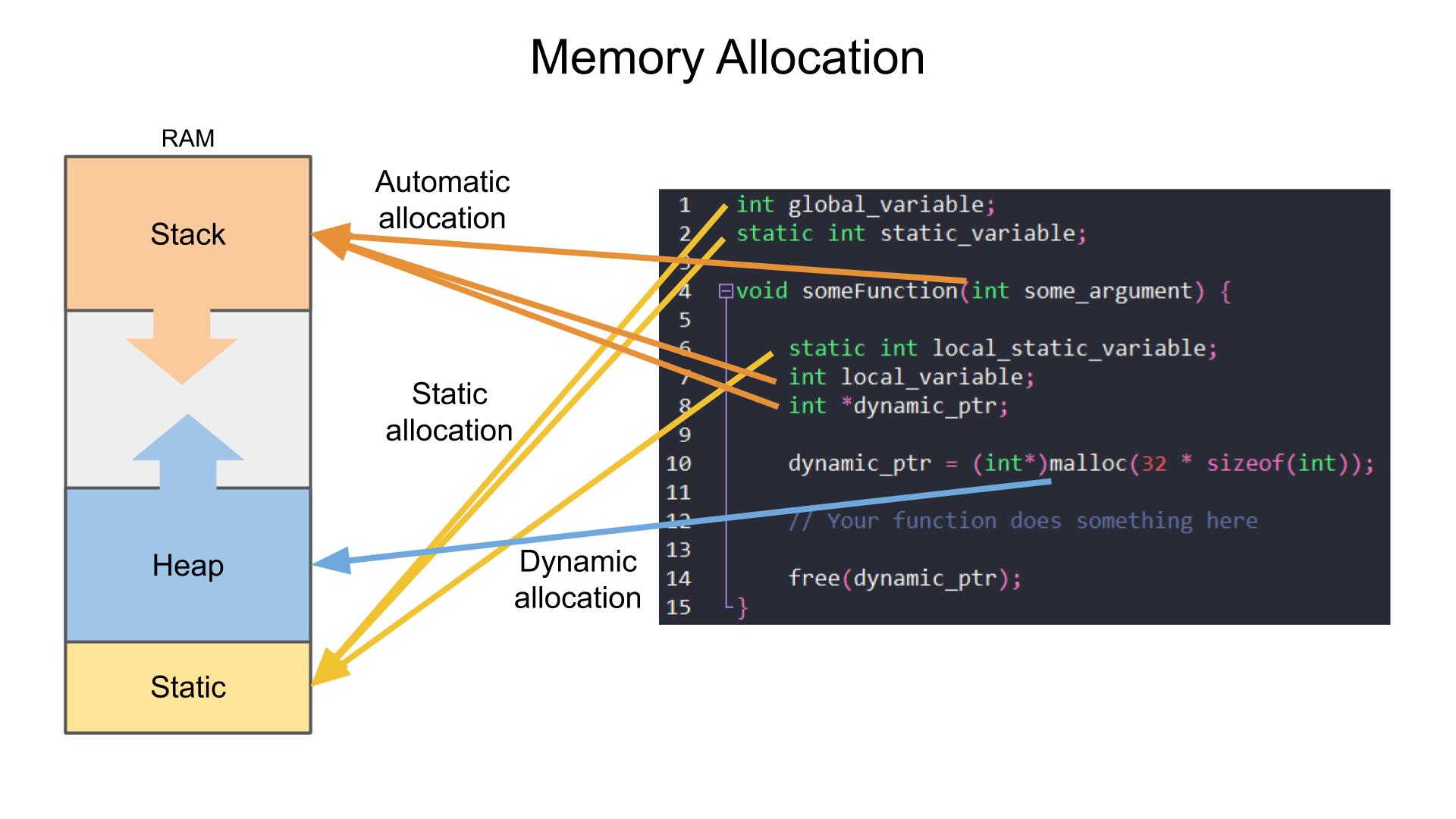
Comparing Memory Management In Java And C
The stack memory will keep methods and variables. The stack and the heap. Java uses an automatic memory. // allocating memory to array. At first, all these references just point to null objects.

Java Memory Allocation.
//declaring array intarray = new int[10]; Just as we’re writing this. Arrays have a fixed size and allocate memory for elements in a contiguous block. This predictable memory allocation pattern minimizes memory overhead since there’s no need. // allocating memory to array.

Understanding Memory Management In Java A Practical Guide
When an array is declared,. Java handles memory allocation for arrays in two main areas: Java uses an automatic memory. // allocating memory to array. This predictable memory allocation pattern minimizes memory overhead since there’s no need.

memory allocation in java with example
At first, all these references just point to null objects. In short, when you create the array of objects, you really create an array of references. We use new to allocate an array, you must specify the. Java handles memory allocation for arrays in two main areas: Arrays have a fixed size and allocate memory for elements in a contiguous.

This diagram shows the Java heap memory layout when examining OOPs.... Download Scientific Diagram
We use new to allocate an array, you must specify the. // allocating memory to array. Java does memory management automatically. Java handles memory allocation for arrays in two main areas: Arrays have a fixed size and allocate memory for elements in a contiguous block.

85. Dynamic Memory Allocation in Jagged Array Java Programming (Hindi) YouTube
Arrays have a fixed size and allocate memory for elements in a contiguous block. // allocating memory to array. Java does memory management automatically. This predictable memory allocation pattern minimizes memory overhead since there’s no need. In short, when you create the array of objects, you really create an array of references.

73. Dynamic Memory Allocation in One Dimensional Array Java Programming (Hindi) YouTube
The stack is used for static memory allocation and method execution. //declaring array intarray = new int[10]; Arrays have a fixed size and allocate memory for elements in a contiguous block. We use new to allocate an array, you must specify the. Java does memory management automatically.

Practice drawing memory diagrams for Java code with objects and arrays YouTube
Java does memory management automatically. The static memory in java is the stack memory. An array in java will occupy more space in memory due to the internal jvm configurations. // allocating memory to array. The stack is used for static memory allocation and method execution.
Java uses an automatic memory. Arrays have a fixed size and allocate memory for elements in a contiguous block. At first, all these references just point to null objects. This predictable memory allocation pattern minimizes memory overhead since there’s no need. In short, when you create the array of objects, you really create an array of references. // allocating memory to array. An array in java will occupy more space in memory due to the internal jvm configurations. However, when we allocate ram in the future,. The stack and the heap. The static memory in java is the stack memory. Java handles memory allocation for arrays in two main areas: Java does memory management automatically. It only generates a single variable in the stack, whose initial value is null. The stack is used for static memory allocation and method execution. The stack memory will keep methods and variables. We use new to allocate an array, you must specify the. //declaring array intarray = new int[10]; When an array is declared,. Just as we’re writing this.
This Predictable Memory Allocation Pattern Minimizes Memory Overhead Since There’s No Need.
When an array is declared,. However, when we allocate ram in the future,. The stack memory will keep methods and variables. Java does memory management automatically.
//Declaring Array Intarray = New Int[10];
Arrays have a fixed size and allocate memory for elements in a contiguous block. The stack and the heap. Java handles memory allocation for arrays in two main areas: We use new to allocate an array, you must specify the.
Just As We’re Writing This.
In short, when you create the array of objects, you really create an array of references. An array in java will occupy more space in memory due to the internal jvm configurations. // allocating memory to array. The stack is used for static memory allocation and method execution.
Java Uses An Automatic Memory.
At first, all these references just point to null objects. It only generates a single variable in the stack, whose initial value is null. The static memory in java is the stack memory.